What to check on your electrical panel before adding an EV charger
Start with your electrical panel
Adding an electric vehicle charger to your home means more than just buying the charger and parking the car. Before any wiring takes place, the electrical panel that serves your house needs a close look. That panel, usually a gray metal box in the garage or a utility closet, is the central point where incoming utility power splits into the circuits that run your lights, outlets, appliances, and anything else that draws electricity. If that panel does not have enough capacity or the right configuration, the new charger could trip breakers, cause flickering lights, or even create a safety hazard. Taking time to understand what your panel can handle will save frustration later.
An electric vehicle charger is a large, continuous load. Unlike a microwave that runs for a few minutes or an air conditioner that cycles on and off, an EV charger can pull near its rated current for hours. That steady draw puts stress on the panel, the service wires, and the main breaker. A quick visual check of the panel label, the main breaker rating, and the existing loads in the house can tell you a lot about whether your panel is ready or needs an upgrade.
Service size and main breaker rating
The service size is the total amount of electricity your home can pull from the utility grid at one time. It is determined by the main breaker in the panel and the wires that run from the utility meter to the panel. Common residential service sizes in the Bay Area are 100, 125, 150, or 200 amps. The main breaker rating is stamped or printed on the breaker handle or on a label inside the panel door. That number is the maximum current the panel can safely draw.
If your main breaker is 100 amps and you already run an electric range, a heat pump, a dryer, and other large loads, adding a 40- or 50-amp EV charger could push the total demand over the limit. When the total load exceeds the main breaker rating, the breaker will trip, cutting power to the whole house. That is inconvenient and can be avoided by checking the service size first. A panel upgrade to a larger main breaker, and possibly larger service wires from the utility, may be necessary. That work must be done by a licensed electrician and often requires coordination with the utility company.
Load calculation
A load calculation is a formal way to add up all the electrical loads in a home and compare them to the service size. The National Electrical Code provides a standard method for this calculation. It accounts for general lighting, small appliances, and the largest fixed appliances like the range, the heat pump, the water heater, and the dryer. The result tells you how much spare capacity remains for new loads such as an EV charger.
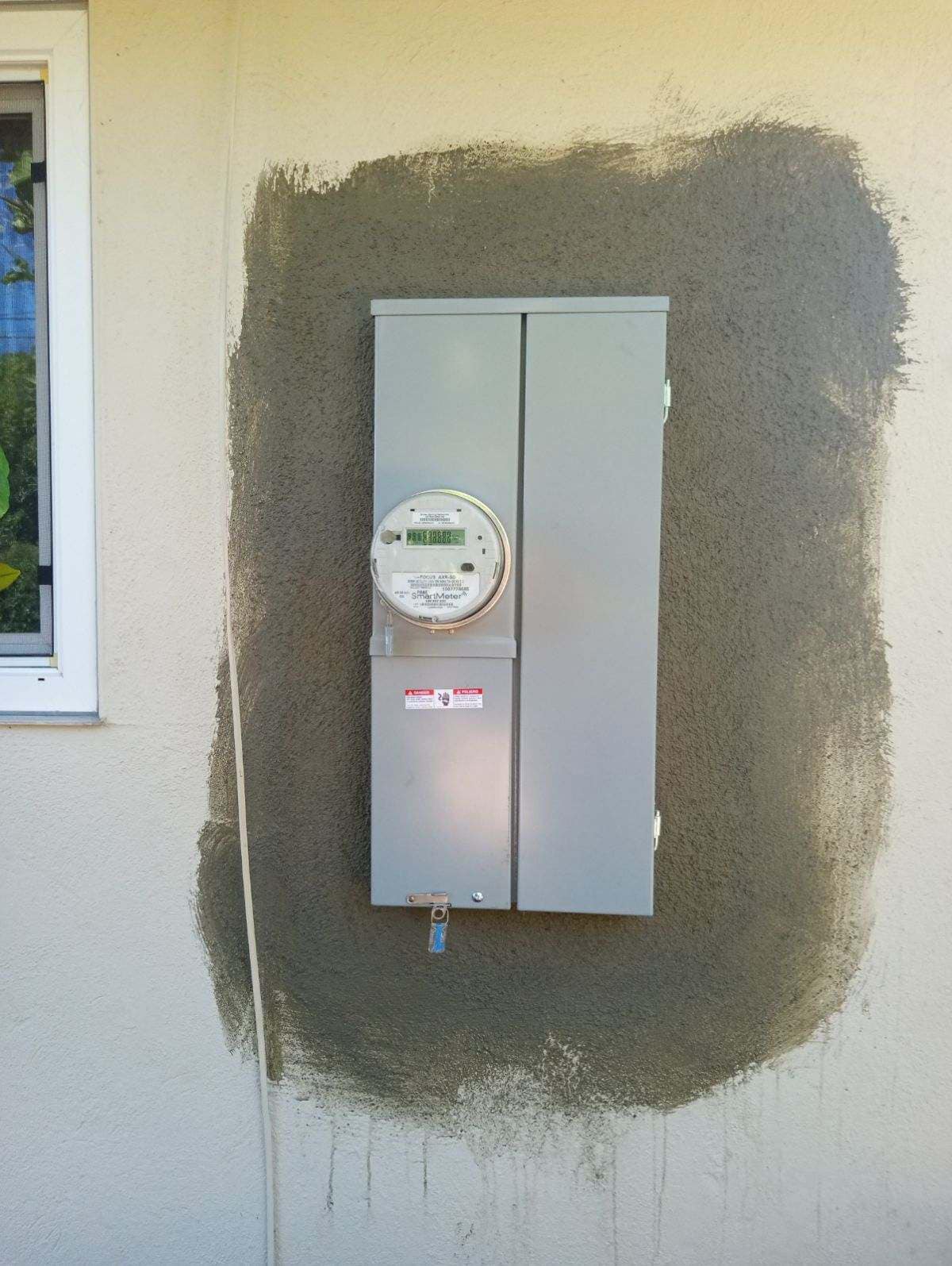
If the load calculation shows that your home is already near its service limit, you have a few options. One is to install a charger with a lower amperage rating. Another is to use a load management system that automatically reduces the charger's power when other large appliances are running. The most thorough solution is an electrical panel upgrade that increases the service size. An electrician can perform the load calculation as part of a site visit. It is a straightforward step that prevents surprises after the charger is installed.
Part of that process involves preparing a panel for new appliances. When you add a major load like an EV charger, the electrician checks the panel's bus bars, the lugs, and the overall condition of the panel interior. Old panels can have corrosion, loose connections, or signs of overheating that reduce their safe capacity. Preparing a panel for new appliances means verifying that the panel itself is in good shape and that the new circuit can be added without overloading any component. That inspection is a standard part of any panel upgrade.
Dedicated circuit for the charger
Every EV charger should have its own dedicated circuit. That means a new breaker in the panel, new wires running to the charger location, and no other devices sharing that circuit. The size of the breaker and the wire gauge depend on the charger's power requirements. A typical Level 2 charger needs a 50-amp double-pole breaker and 6 AWG copper wire, though some chargers work on smaller circuits.
When the panel is already full, finding space for a new two-pole breaker can be a problem. Some panels have tandem breakers or half-size slots that accept two breakers in one space, but not all panels are compatible. If the panel is completely full, a subpanel may be needed. A subpanel is a smaller panel fed from the main panel that provides extra breaker slots. Installing a subpanel requires that the main panel have enough capacity to feed it, which again comes back to the service size and load calculation.
Panel age and type
Older panels, especially those made before the 1980s, may use breakers that are no longer widely available. Some older panels have a lower short-circuit current rating that might not be sufficient for the fault current available from the utility. In such cases, an electrical panel upgrade to a modern panel is the safest route. A modern panel has better arc-fault protection, more breaker options, and a higher interrupting rating.

The panel type matters too. Main lug panels, which are common in subpanels, do not have a main breaker. They rely on the main breaker in the upstream panel. If you are adding a subpanel for the charger, make sure the feeder breaker in the main panel is properly sized. A qualified electrician will know the requirements and can advise on whether the existing panel can be reused or should be replaced.
Physical space and access
The panel location must have enough clear space around it for safe work and for future maintenance. Codes require a certain working clearance in front of the panel, usually 30 inches wide and 36 inches deep. If the panel is in a cramped closet, behind stored items, or partially blocked, that needs to be addressed. The charger circuit will run from the panel to the garage or driveway, so the path for the conduit or cable should be planned. Sometimes the panel is on the opposite side of the house from the garage, which makes the run longer and more expensive.
Grounding and bonding
An EV charger requires a solid grounding system. The panel must have a properly sized ground wire back to the utility service, and all bonding connections must be intact. Older homes may have two-wire service that lacks a dedicated ground. Upgrading the panel often includes bringing the grounding up to current code. That is another reason why a panel upgrade is more than just swapping breakers; it involves the whole electrical system.
When to call an electrician
Any work inside the panel, including inspecting the main breaker, checking bus bars, or adding a new circuit, should be done by a licensed electrician. The homeowner can look at the panel label and the main breaker rating, and can note how many slots are free, but the actual load calculation and any modifications require professional knowledge. An electrician can also coordinate with the utility if the service size needs to increase.
In the Bay Area, many homes have panels that were adequate for the appliances of the 1970s or 1990s but are now being asked to support an EV charger, a heat pump, and perhaps a home office. That is a significant increase in electrical load. An electrical panel upgrade is a common solution that prepares the home for modern energy use. The process is straightforward: the electrician assesses the existing panel, performs a load calculation, recommends the appropriate upgrade, and then installs the new panel and the dedicated circuit for the charger. The result is a safe, reliable setup that will serve the household for years.
Taking the time to evaluate your panel before buying an EV charger helps you choose the right charger and avoid unexpected costs. The charger is an investment, and the panel is the foundation that supports it. A few careful checks now, with the help of a qualified electrician, make the installation smoother and the charging experience worry-free.